

Mahama to lift ban on salvaged vehicles
In a world where the cost of living continues to rise, the dream of owning a reliable vehicle often feels out of reach for many. If we enter the concept of salvaged vehicles, there is an underappreciated solution that has the potential to not only make car ownership more affordable, but also invigorate local economies by creating job opportunities for mechanics and automotive professionals.
By lifting the ban on salvaged vehicles, we open the door to a wealth of possibilities: budget-friendly cars for families, increased access to transportation for underserved communities, and a thriving repair market that can enhance job prospects for skilled workers which could reshape the automotive landscape, driving down costs for consumers while simultaneously fueling economic growth in the mechanic sector.
In Ghana currently, the automotive market is experiencing a seismic shift, shaped by a confluence of economic pressures, technological advancements, and changing consumer preferences. As new vehicle prices soar to unprecedented levels, many potential buyers are finding themselves priced out of the market.
According to recent reports, the average price of a new car has surpassed GHS200,000, a staggering figure that leaves many individuals and families scrambling for alternatives. Meanwhile, the used car market, while somewhat more accessible, is also grappling with inflated prices, driven by supply chain disruptions and increased demand.
In this challenging landscape, salvaged vehicles present a compelling solution. These vehicles, often deemed unroadworthy due to minor cosmetic damages or previous accidents, can be restored to full functionality at a fraction of the cost of new or even standard used cars.
However, the current ban on the sale and use of salvaged vehicles in Ghana stifles access to affordable transportation options for countless consumers. It not only limits the choices available for budget-conscious buyers, but also hampers the growth of local mechanics and repair shops that could thrive by refurbishing these vehicles.
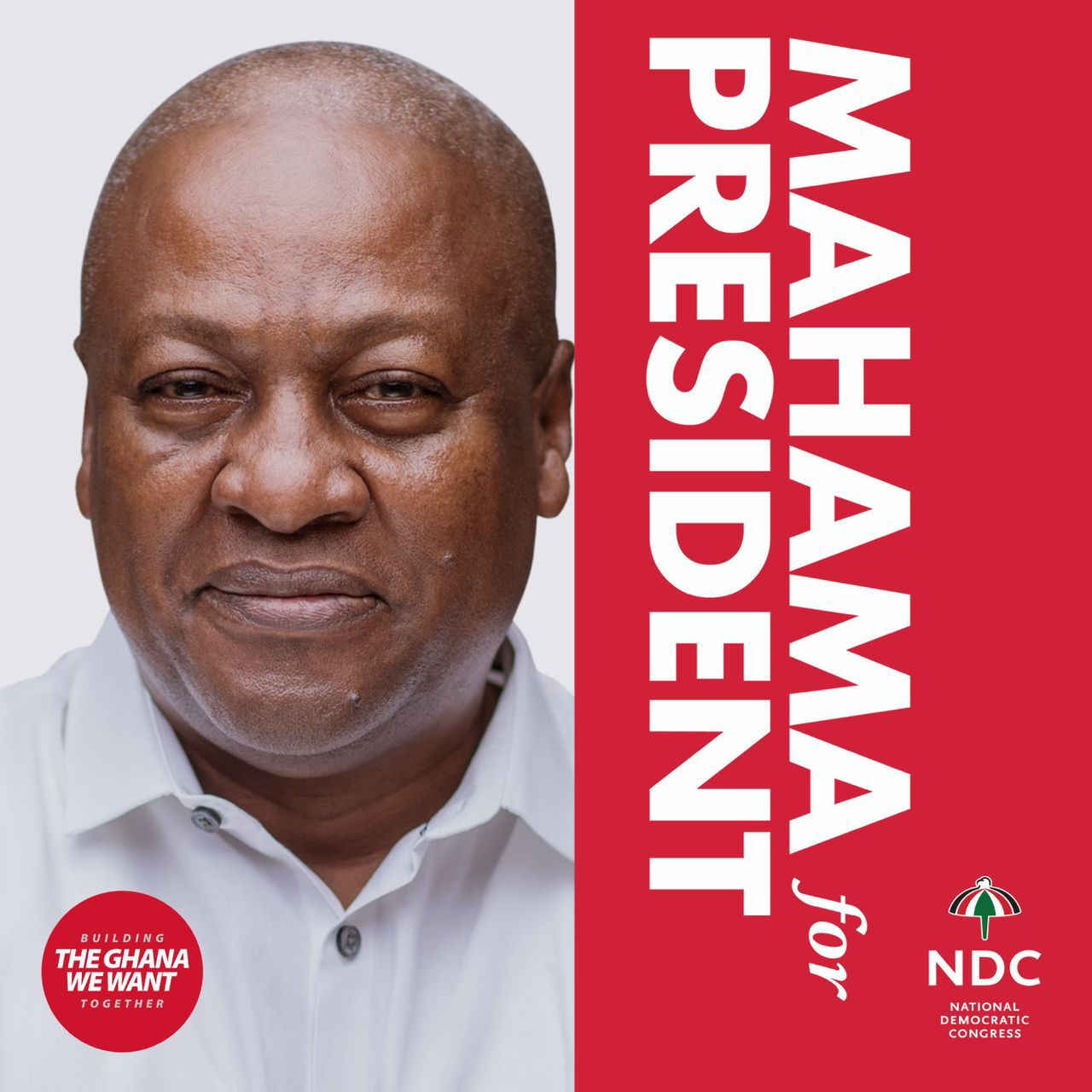
Lifting these restrictive bans on salvaged vehicles as promised by the 2024 presidential candidate of the National Democratic Congress, John Mahama can create a win-win scenario: making cars more affordable for consumers while simultaneously bolstering job opportunities in the automotive repair industry.
As I dive deeper into this topic, I will examine the potential economic impact, the environmental benefits of reusing vehicles, and the broader implications for communities that rely heavily on the automotive sector. The time has come to reevaluate the existing policies and unlock the potential of salvaged vehicles to rev up the economy and empower consumers in Ghana.
Anthony Obeng Afrane